
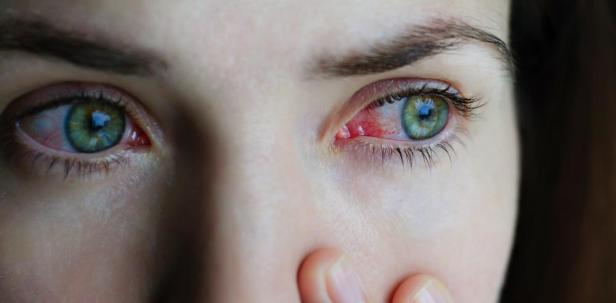
Pink eye (conjunctivitis) is an infection or inflammation of the translucent layer (conjunctiva) that borders one’s eyelids and protects the eyeball’s white region. The little blood vessels in the conjunctiva become more apparent as they get irritated. This is what causes your eye whites to seem reddish or pink.
Pink eye is most usually caused by a bacterial or viral infection, an allergic response, or – in infants – a poorly opening tear canal. Conjunctivitis might be bothersome, but it seldom impairs your eyesight. It is infectious though; therefore, visiting an eye specialist for early detection and treatment can help minimize its spread.
Allergic Conjunctivitis
Allergic conjunctivitis affects both eyes, and is most often caused by an allergen such as pollen. Your body creates an immunoglobulin E antibody reaction to allergens (IgE). As a result of this antibody, mast cells in the mucosal surface of your eyes and lungs produce irritating compounds such as histamines.
Histamine production in your system can cause a number of hypersensitivity clinical signs, such as reddish or pinkish eyes. You may suffer extreme burning, tearing, and irritation of the eyes. It may also result in sneezing and watery discharge of the nose. To diagnose allergic conjunctivitis, an ocular allergy testing is essential and also comprehensive eye exam is crucial before treatment. The treatment of allergic conjunctivitis is mainly managed with allergy eye drops.
Here Are Some Common Symptoms Of Pink Eye
If you experience any of the below symptoms, you need to consult professional eye care:
- Red eyes
- Irritation in the infected eye
- A sand-like sensation in the infected eye(s)
- A discharge in the infected eye creates a cover overnight and may prohibit your eye(s) from reopening in the morning.
- Tearing
Causes
Most common conjunctivitis cause include:
- Viral infections
- Bacterial infections
- Allergies
- A chemical splash splashes
- Foreign object in the eye
- A clogged tear duct in infants
Prevention
Maintain proper hygiene to prevent the spread of pink eye. As an example:
- Don’t let your hands come into contact with your eyes
- Regularly wash your hands
- Utilize clean towels and washcloths
- Avoid sharing towels and washcloths
- Replace your pillow cases often
- Dispose any eye makeup, such as mascara
- Do not share eye makeup and individual eye care goods.
Take note that conjunctivitis is not contagious in the same way that the common cold is. If you cannot take time off, it is ok to continue going to your job, college or even daycare; nevertheless, you must consistently practise excellent hygiene.
 Personal Health care blog