
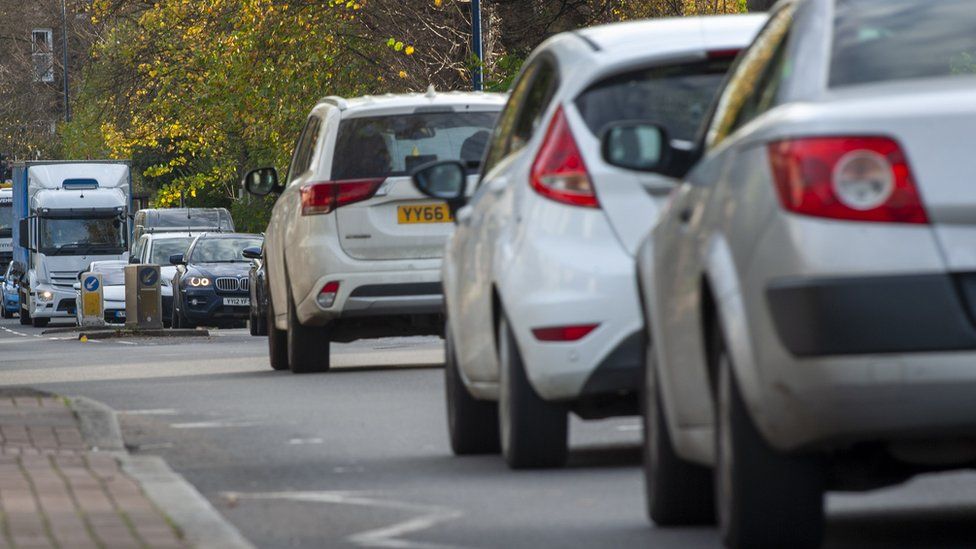
The UK government’s goal is to stop the sale of all new petrol and diesel vehicles by 2030. Hybrid car sales will also be banned by 2035 as part of fast-tracking the shift to electric vehicles (EVs) and the government’s net zero vision for 2050. The UK is one of the countries working towards improving air quality by reducing sources responsible for increasing toxic emissions.
One of the major projects of the UK government is the Clean Air Zone or CAZ. Cities and other areas across the country are introducing or have introduced CAZs in an effort to bring down air pollution levels while also helping achieve cleaner air for thousands (or millions) of residents.
A little background information
The Clean Air Zone was introduced after London launched its ULEZ or Ultra-Low Emission Zone. Both programs are geared towards air pollution reduction, and their measures are quite similar.
According to authorities, the ULEZ led to a significant decrease in the level of roadside nitrogen dioxide emissions (by about 44%), so its coverage was expanded in 2021. From only central London, it now includes charging non-compliant vehicles that drive within the North and South Circular roads (although not on the two roads per se).
London’s Ultra-Low Emission Zone is considered the forerunner of the UK’s conceptualisation, introduction, and implementation of the Clean Air Zone.
What the CAZ is about
Clean Air Zones are roads or areas in the UK that discourage drivers of vehicles with high emissions from entering the zones. In some areas, highly polluting vehicles drive into the specified areas while in others, they can only do so after paying a penalty. Charges are determined according to Euro emission standards.
The areas covered by CAZs are those that have been reported to have dangerously high air pollution levels. Preventing high emission vehicles from entering the zones is one way of reducing toxic air and, eventually, improving air quality and making the cities or areas safer for residents.
Clean Air Zones came into the picture after some pressure from environmental groups. The Supreme Court ordered the government to produce solutions that would help reduce NO2 (nitrogen dioxide) emission levels. The zones are also intended to comply with the European Union’s clean air directive. Improving air quality will help prevent environmental and health impacts, particularly premature deaths. Around 40,000 premature deaths every year are linked to toxic air.
How CAZs are classified
Clean Air Zones are classified into four: A, B, C, and D.
- Class A CAZs are for taxis, coaches, buses, and private hire vehicles.
- Class B CAZs are intended for taxis, coaches, buses, private hire vehicles, and HGVs or heavy goods vehicles.
- Class C CAZs are for taxis, coaches, buses, private hire vehicles, HGVs, minibuses, and vans.
- Class D CAZs are reserved for taxis, coaches, buses, private hire vehicles, HGVs, minibuses, cars, and minibuses. Motorcycles may be included depending on the decision of local authorities.
CAZs can also be charging and non-charging. A charging Clean Air Zone is one where the high emissions vehicle driver has to pay a fee before they can enter the zones.
A non-charging CAZ is one where highly polluting vehicles are not required to pay charges but must adhere to certain required actions, such as traffic flow management, traffic rerouting, and vehicle retrofitting.
Clean Air Zones are open 24 hours a day, seven days a week. They operate every day.
The CAZs
Here is a list of the UK’s CAZs:
- Birmingham
- Bath
- Bradford (September 2022)
- Bristol (November 2022)
- Portsmouth
- Oxford
- Manchester
- (Newcastle and Gateshead) Tyneside (late 2022 to early 2023)
- Sheffield (early 2023)
What are roadside emissions?
Roadside emissions come from vehicles and are considered a source of toxic air, particularly those released by diesel cars and vans.
Diesel vehicle emissions became the centre of attention in 2015 when the Dieselgate diesel emissions scandal first broke. US authorities discovered that the Volkswagen Group lied to their American customers when they discovered defeat devices in VW and Audi diesel vehicles.
The devices are engineered to know when a vehicle is being tested so they could suppress emissions levels to within the World Health Organization’s (WHO) regulated limits, thereby allowing authorities to believe that the vehicle they’re installed in is clean and safe. In reality, however, the vehicle is unsafe because as soon as it is driven outside testing centres, it expels voluminous amounts of NOx or nitrogen oxide, a significant contributor to air pollution.
Mercedes-Benz was also alleged to have installed the defeat device and the carmaker has had to pay fines and face class-action lawsuits through the years, while also recalling vehicles. Other car manufacturers have also been implicated in the diesel emissions scandal.
These carmakers cheated on their customers because they sold highly polluting diesel vehicles that they marketed at premium prices and as high-performing, environment-friendly vehicles. They deceived their customers and placed them and the people around them in danger as exposure to NOx emissions has life-changing health impacts, including premature death.
VW, Mercedes-Benz, and all other carmakers involved in the scandal are obligated to compensate their affected customers for the inconvenience they caused.
Find out if you are eligible to bring a Mercedes emissions claim against your manufacturer. Get in touch with ClaimExperts.co.uk and allow them to help you get the information you need to bring your case forward.
 Personal Health care blog