
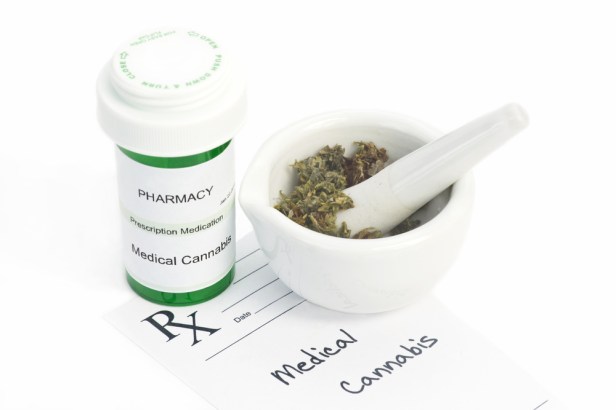
After considering its options, the World Anti-Doping Agency (WADA) has decided to continue its ban on marijuana use among athletes hoping to compete internationally. The organization says it is committed to ongoing research but, for the time being, cannot see its way clear to lifting the ban. That is not good news to Olympic athletes who were hoping to gain access to medical cannabis.
WADA’s decision to reconsider the marijuana ban was partly motivated by actions taken against U.S. athlete Sha’Carri Richardson a number of years back. Richardson was disqualified from Olympic competition after testing positive for THC. She maintained she used THC during Olympic trials to help cope with her mother’s death. Nonetheless, she graciously accepted the consequences of her actions and stayed home while her teammates went off to compete.
Unless the WADA changes course between now and the summer of 2024, it is a safe bet that at least a small number of athletes will find themselves disqualified after testing positive for THC. Athletes all know this going in, so none of them should be surprised if the hammer is dropped on them.
The Anti-Doping Concept
For the record, the whole idea behind anti-doping is not to prevent drug addiction or reduce the risks of drug use among athletes. Rather, it is to maintain fairness by preventing some athletes from gaining an advantage over others by doping.
It is not clear how cannabis qualifies as a doping agent. Perhaps it’s the fact that THC is believed to help people relax, destress, sleep better, and deal with anxiety. Tons of medical cannabis patients swear by its ability to help relieve pain. All these things combined could enhance an athlete’s performance by mitigating physical and emotional reactions that would otherwise hinder.
Different Opinions Around the World
It should also be noted that the WADA took the occasion of its press release announcing its decision to reaffirm the fact that opinions on cannabis vary around the world. There is no consensus that cannabis is harmless. There is very little consensus on how it can benefit people medically. There just isn’t enough scientific data to declare cannabis either good or bad.
Even in the U.S., official opinions vary. Colorado has legalized both medical and recreational marijuana. In Utah, where Deseret Wellness runs a medical cannabis pharmacy in Provo, recreational use is banned while anyone with a valid state-issued card can consume medical cannabis. Meanwhile, in neighboring Wyoming, only hemp-derived CBD products are legal.
Conflicts in Federal and State Law
Unfortunately, the U.S. is especially problematic for anti-doping officials due to our conflicts in federal and state law. The WADA and numerous other organizations recognize that cannabis is still illegal at the federal level, yet more than two-thirds of the states have legalized cannabis in one form or another.
This conflict creates problems for anti-doping officials who fear encouraging what they consider illegal activity – breaking federal law – should they give the okay to THC among the national athletes. It is a no-win situation for them.
The Cost of Competing
Athletes hoping to gain access to medical cannabis are likely disappointed by the WADA’s decision. That is understandable. Perhaps the best way to look at it is that not having access is part of the cost of competing. World-class athletes give up a lot to realize their competitive dreams. This is just one more thing.
On a more positive note, THC will probably be taken off the banned list at some point. At the rate cannabis is being legalized around the world, it seems only a matter of time.
 Personal Health care blog