
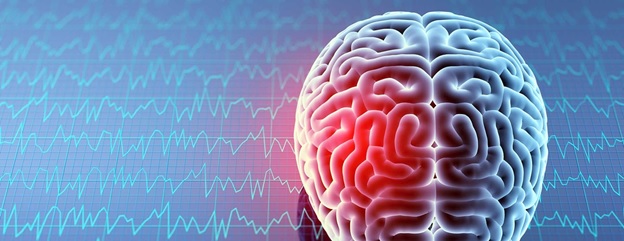
One of the most potentially serious types of injuries you might suffer in an accident is a traumatic brain injury (TBI). This type of injury can occur when you suffer a blow to the head, suffer a penetrating injury, or are violently jolted, causing your brain to strike the interior of your skull. It’s critical to promptly obtain an accurate diagnosis of a traumatic brain injury. The symptoms might immediately appear or instead develop over the days following your accident. Because getting early treatment is important, you should seek a medical assessment whenever you have received a blow or other injury to your head without waiting.
Common Symptoms of a TBI
You can suffer a TBI if you receive a sudden jolt, blow, or bump to the head. A TBI can also occur when you are exposed to an explosion or sustain a penetrating injury that interferes with the normal functioning of your brain. A TBI won’t occur with every blow to the head. However, when a TBI does happen, it can range in severity from mild to severe. A mild TBI might involve a brief change in consciousness or mental status, while a severe TBI might involve a longer period of being unconscious, behavioral changes, or major problems with cognition. Between 70% and 90% of the TBIs that occur are classified as mild, but they still involve brain injuries and can have lasting impacts.
A person with a mild TBI might experience the following symptoms:
- Headache
- Dizziness
- Tinnitus
- Confusion
- Blurry vision
- Behavioral changes
- Impaired memory
A person who suffers a moderate to severe TBI might experience additional symptoms, including:
- Nausea and repeated vomiting
- Weakness of the extremities
- Prolonged period of unconsciousness
- Pronounced changes in behavior/personality
- Trouble thinking and learning
- Coma
- Death
Following an accident, you should seek a medical examination to check for injuries. If you have received a blow or another injury to the head, you should tell your doctor about it so they can check to ensure whether you might have sustained a TBI.
Diagnosis and Injury Severity for TBIs
Obtaining a diagnosis and determining the severity of a TBI are two separate processes. If your loved one suffered a severe TBI, their symptoms will likely clearly indicate they have suffered a brain injury. If their injury is mild, the symptoms might be more subtle and require additional assessment to obtain a diagnosis. Once a diagnosis is made, the doctors will then determine the severity of the injury. This is important because the injury’s severity will affect the types of treatment that might be included in their treatment plan.
How TBIs are Diagnosed
Since damage from moderate and severe TBIs can rapidly worsen without treatment, the injuries must be assessed quickly. The initial assessment might include the following:
Glasgow Coma Scale
The Glasgow Coma Scale is a 15-point assessment doctors use to determine how severe a brain injury is. The doctor will assess the patient’s speech coherence, ability to move their arms and legs, ability to track with their eyes, and ability to follow simple instructions. Each ability receives a score ranging from three to 15. Lower scores indicate severe injuries, while higher scores indicate milder injuries.
Asking About the Symptoms and Injury
If you witnessed what occurred to your loved one, the doctor might ask you to provide some information they can use to assess their condition. Some of the questions they might ask include the following:
- Questions about how the injury occurred
- Whether your loved one lost consciousness, and if so, for how long
- Whether you noticed changes in your loved one’s speech, coordination, balance, and alertness
- Information about any other symptoms you observed
- Whetehr your loved one suffered a blow to the head or other parts of their body
- How strong the blow was
- Whether your loved one was violently jolted
If the doctor suspects a TBI after the Glasgow Coma Scale and questions about the injury, they will likely order imaging tests.
Computerized Tomography (CT) Scan
When a TBI is suspected, doctors typically order a CT scan in the emergency department. This imaging test creates a detailed picture of the brain by using multiple X-rays. It can be used to quickly see fractures and evidence of brain hemorrhage, clots, contusions, and brain swelling.
Magnetic Resonance Imaging (MRI)
Once the patient’s condition has stabilized or when their symptoms don’t improve, the doctor might order an MRI. This imaging test creates a detailed picture of the brain by using magnets and radio waves.
Intracranial Pressure Monitor
If the CT scan reveals bleeding, contusions, or tissue swelling, the doctor might insert an intracranial pressure monitor through the skull. Swelling tissue can cause additional brain damage.
How Is a TBI Treated?
The treatment of a TBI will depend on its severity. If the injury is mild, it might not need any treatment beyond over-the-counter pain relievers and rest. However, even if a TBI is mild, the person will still need to be closely monitored for worsening, persistent, or new symptoms and attend follow-up appointments. The doctor will tell the patient when they can return to their regular activities and work. Patients with mild TBIs need to follow their doctors’ recommendations to enhance their recoveries.
Treatment of Moderate to Severe TBIs
If a TBI is moderate or severe, the treatment will begin in the emergency department. The doctors and medical staff will focus on ensuring the patient has a sufficient supply of blood and oxygen to the brain and preventing additional damage. They will also work to maintain their blood pressure, relieve pressure from brain swelling, and check for other injuries. Emergency room doctors will work to minimize damage caused by inflammation, reduced oxygen to the brain, or brain hemorrhages.
The doctors might also administer several medications immediately following the injury, including:
- Anti-seizure medications to prevent seizures and additional damage
- Diuretic medications to reduce fluids and increase urination to reduce the pressure building up inside of the brain
- Drugs to induce a coma when the blood vessels are compressed and unable to deliver enough oxygen and nutrients to the brain
Emergency Surgery
To prevent secondary damage to the brain, doctors might perform emergency surgery. This might be necessary to remove blood clots that are placing pressure on the brain, repair a skull fracture, or stop the bleeding when the patient has a brain hemorrhage. If the patient has brain swelling, the doctors might need to create an opening in the skull to relieve pressure and drain built-up fluid.
Rehabilitation
Most people who suffer moderate to severe TBIs need to undergo extensive periods of rehabilitation to relearn their basic skills. The goal of rehabilitation is to ensure the patient can function as independently as possible. Rehabilitation might begin in the hospital and continue in an inpatient facility or residential facility. It also might be delivered on an outpatient basis. How long someone might need to undergo rehabilitation and how it is delivered might vary based on the injury’s severity and location.
Patients might work with multiple types of specialists while undergoing rehabilitation who will work together with the doctor on a treatment team. The doctor who oversees rehabilitation and prescribes any medication is known as a physiatrist. Other members of the treatment team might include the following:
- Occupational therapist to help the patient relearn and improve skills necessary to perform the activities of daily life
- Physical therapist to help the patient with walking, balance, mobility, and patterns of movement
- Psychologist to assess the individual’s cognitive impairment, help manage behavioral changes, and learn coping skills
- Speech-language therapist to help the patient improve their ability to communicate
- Case manager to connect the patient with outside services, help with planning, and facilitate communication between members of the team and family
- Rehabilitative nurse to provide ongoing care and discharge planning
- Vocational counselor to assess the individual’s ability to return to work and provide resources to them
- Recreational therapist to help the patient with leisure activities
Conclusion
If you or your loved one suffered a traumatic brain injury, you might be facing a long period of recovery and substantial losses. Luckily, most TBI’s are minor to moderate but, some cause lifetime consequences. Seeking proper medical diagnosis and treatment promptly and consistently can make the difference between a potentially long road or shorter path to recovery.
 Personal Health care blog