
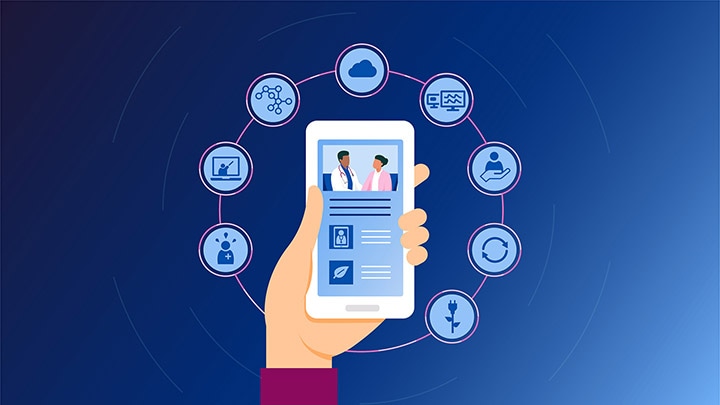
In the realm of healthcare, managing chronic diseases poses significant challenges for both patients and providers alike. However, advancements in technology have revolutionized the way we approach care transitions, offering innovative solutions to enhance patient outcomes and streamline the continuum of care.
Understanding Chronic Disease Management
Chronic diseases, such as diabetes, heart disease, and hypertension, require ongoing management and monitoring to prevent complications and improve quality of life. Effective management often involves coordinated efforts across various healthcare settings, including primary care, specialty clinics, hospitals, and home care.
Challenges in Care Transitions
Smooth transitions of care are essential for ensuring that patients receive uninterrupted and coordinated healthcare as they move between different providers and settings. However, several obstacles can hinder this process, including:
- Communication Breakdowns: Inadequate communication between healthcare providers can lead to fragmented care and gaps in information sharing.
- Medication Errors: Transitioning between care settings increases the risk of medication errors, such as incorrect dosages or missed prescriptions.
- Patient Engagement: Engaging patients in their care during transitions can be challenging, leading to poor adherence to treatment plans and follow-up appointments.
Also, read more Luther Social Media Maven Keezy.co
The Role of Technology
Technology plays a pivotal role in addressing these challenges and facilitating seamless transitions of care for chronic disease patients. Here’s how:
1. Electronic Health Records (EHRs)
EHR systems allow healthcare providers to access and share patient information securely across different settings. By having real-time access to medical records, providers can make informed decisions, reduce duplication of tests, and ensure continuity of care.
2. Telehealth
Telehealth platforms enable remote consultations and monitoring, allowing patients to receive care from the comfort of their homes. This is particularly beneficial for individuals with chronic conditions who may have difficulty traveling to healthcare facilities regularly.
3. Remote Patient Monitoring (RPM)
RPM technology allows healthcare providers to monitor patients’ vital signs, symptoms, and medication adherence remotely. By tracking key metrics in real-time, providers can identify issues early, intervene promptly, and prevent hospital readmissions.
4. Care Coordination Software
Care coordination software streamlines communication and collaboration among members of the healthcare team, including physicians, nurses, pharmacists, and care managers. This ensures that everyone involved in the patient’s care is on the same page and working towards common goals.
Transition of Care
One crucial aspect of chronic disease management is the transition of care, which refers to the movement of patients between different healthcare settings or levels of care. To learn more about the importance of transition of care in healthcare delivery, visit transition of care.
Benefits of Technology-Enabled Care Transitions
By leveraging technology to facilitate care transitions, healthcare organizations can achieve the following benefits:
- Improved Communication: Enhanced communication tools enable seamless information exchange among providers, reducing the risk of errors and delays in care delivery.
- Enhanced Patient Engagement: Technology empowers patients to take an active role in their care by providing access to educational resources, appointment reminders, and self-management tools.
- Reduced Healthcare Costs: By preventing complications, hospitalizations, and unnecessary healthcare utilization, technology-enabled care transitions can lead to cost savings for both patients and healthcare systems.
- Better Outcomes: Timely interventions and proactive monitoring facilitated by technology contribute to better health outcomes and higher patient satisfaction rates.
Also, read more WWE SmackDown Episode 1491
Conclusion
In conclusion, technology plays a critical role in facilitating seamless transitions of care for chronic disease patients. By leveraging electronic health records, telehealth, remote patient monitoring, and care coordination software, healthcare providers can overcome challenges associated with care transitions and improve patient outcomes. Embracing innovative technologies is essential for delivering high-quality, patient-centered care in today’s rapidly evolving healthcare landscape.
 Personal Health care blog