
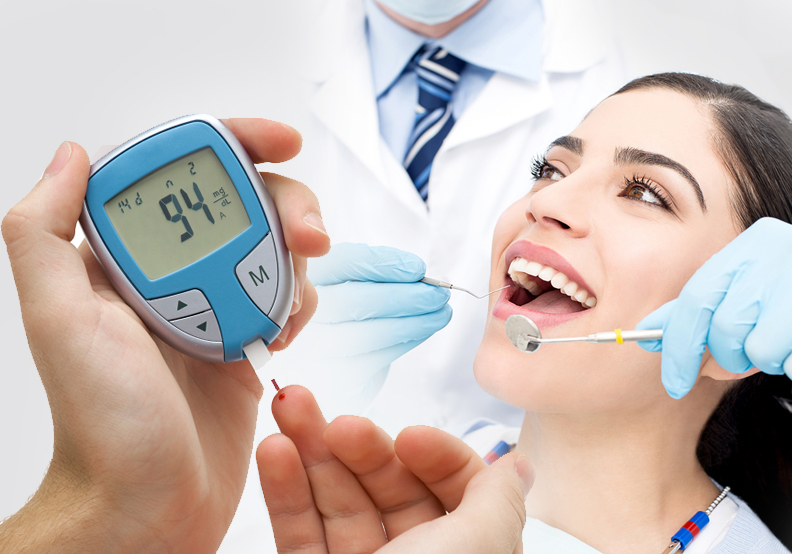
Diabetes is a chronic disease characterized by high blood sugar levels, which can affect various parts of the body, including the mouth. Uncontrolled diabetes can negatively impact your oral health and predispose you to several dental problems.
The family dentist in Little Elm, and their team of expert periodontists, and oral hygienists offer compassionate care for diabetic patients to safeguard the integrity of the oral cavity. This helps improve oral health and overall well-being. This article will focus on the types of diabetes, how it affects oral health, the benefits of regular dental cleanings, and what precautions should be taken for a diabetic patient.
What are the types of diabetes?
There are several types of diabetes, including:
- Type 1 diabetes: An autoimmune disease in which the body attacks and destroys the cells in the pancreas that produce insulin, a hormone that regulates blood sugar levels.
- Type 2 diabetes: A metabolic disorder that is characterized by insulin resistance, where the body’s cells become less responsive to insulin, and the pancreas produces insufficient insulin to compensate.
- Gestational diabetes: A type of diabetes that develops during pregnancy, usually in the second or third trimester.
Risks of dental problems during diabetes
Diabetes increases the risk of dental problems due to:
- High blood sugar levels: Damage to blood vessels and nerves, leading to gum disease and tooth decay.
- Weak immune system: Reduced ability to fight infections, making dental infections more severe.
- Dry mouth (xerostomia): Decreased saliva production, increasing the risk of tooth decay and gum disease.
- Gum disease (periodontitis): Bacteria infection of the gums, leading to bone loss and tooth loss.
- Tooth decay (caries): Bacteria infection of the teeth, leading to cavities.
- Fungal infections (candidiasis): Overgrowth of Candida, causing oral thrush.
- Burning mouth syndrome: Chronic pain and burning sensation in the mouth.
- Dental abscesses: Infected pockets of pus in the teeth or gums.
- Tooth loss: Untreated dental problems leading to tooth loss.
- Delayed healing: Diabetes can impede wound healing, including dental surgical sites.
Regular dental check-ups and cleanings can help prevent or manage these dental problems.
Benefits of regular dental cleanings for diabetic patients
Regular dental cleanings offer numerous benefits for diabetic patients, including:
- Prevention of gum disease and tooth decay
- Early detection and treatment of oral health issues
- Reduced risk of dental infections and abscesses
- Improved blood sugar control
- Prevention of bone loss and tooth loss
- Enhanced overall oral health and well-being
- Reduced risk of cardiovascular disease and stroke
- Improved nutrition and dietary habits
- Boosted self-esteem and confidence
- Early detection of other health issues, such as oral cancer
Additionally, regular dental cleanings can help diabetic patients:
- Manage their diabetes more effectively
- Reduce their risk of diabetic complications
- Improve their overall health and quality of life
Special precautions to be taken for diabetic patients during dental cleanings
Diabetes patients require special precautions during dental cleanings to ensure their safety and comfort. These include:
- Informing the dentist about their diabetes and medication.
- Monitoring blood sugar levels before and after the appointment.
- Adjusting medication schedules as needed.
- Ensuring adequate hydration.
- Avoiding dental cleanings during peak hypoglycemic periods.
- Having an emergency glucose source available.
- Consider a morning appointment to minimize blood sugar fluctuations.
- Ensuring the dentist is aware of any diabetes-related medical conditions.
- Receiving gentle and traumatic-free care to avoid stress.
- Postponing non-emergency procedures if blood sugar levels are unstable.
Additionally, dentists may take extra precautions such as:
- Using aseptic techniques to minimize infection risk.
- Monitoring the patient’s vital signs.
- Having emergency medication and equipment available.
- Coordinating care with the patient’s primary care physician.
By prioritizing regular dental cleanings, diabetic patients can take a proactive approach to their oral health and overall well-being. Consult a skilled dentist and discuss your oral goals and expectations to make informed decisions regarding your oral health.
 Personal Health care blog