
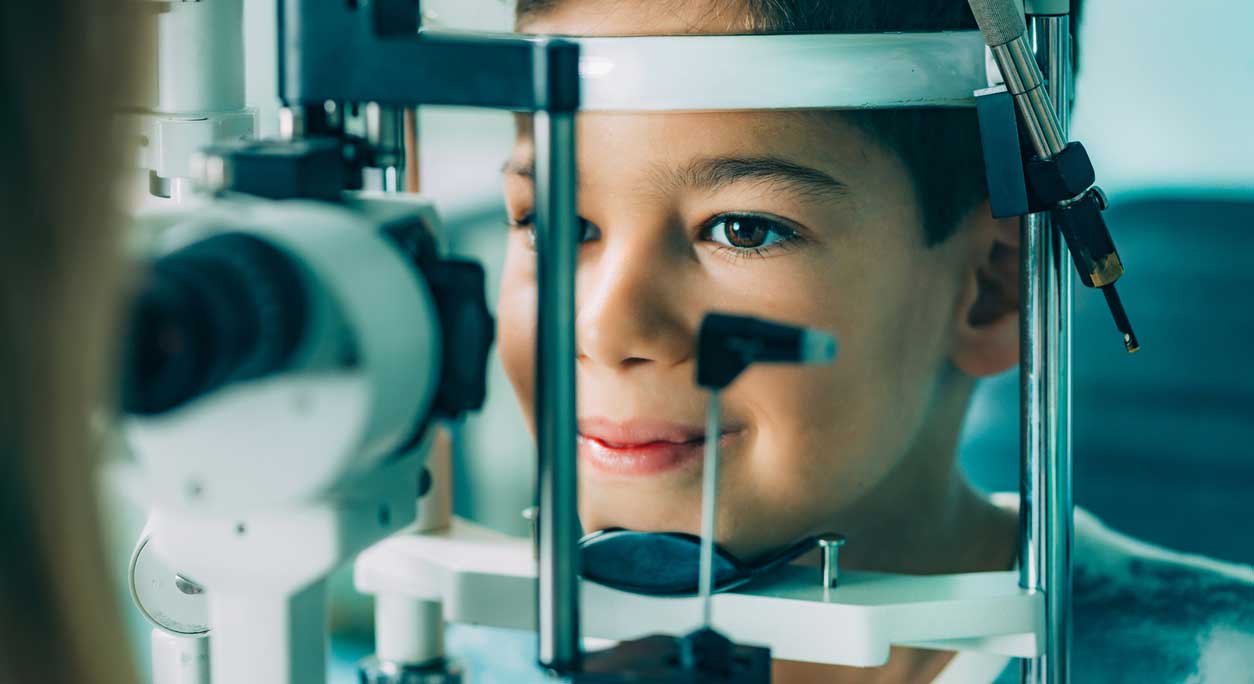
As a parent, you want to ensure that your child has the best start in life, and that includes maintaining their eyesight and vision. Good vision is crucial for your child’s development, learning, and overall well-being. The eyes are the window to the world, and taking care of them from an early age can prevent future problems. In this comprehensive guide, we’ll explore various ways to improve and protect your child’s eyesight and vision.
Understanding Vision Development in Children
Before diving into how you can improve your child’s eyesight, it’s essential to understand how their vision develops. Vision development begins at birth and continues through early childhood. Here’s a brief overview of the key stages:
- Birth to 4 months: Babies can see objects close to them but their vision is blurry. They start to track moving objects and begin to develop hand-eye coordination.
- 5 to 8 months: Depth perception and color vision start to develop. Babies begin to reach for objects and improve their ability to judge distances.
- 9 to 12 months: Coordination between eyes and hands improves significantly. Babies can see and recognize people and objects across the room.
- 1 to 2 years: Toddlers have better depth perception and eye-hand coordination. They start recognizing familiar objects and people even from a distance.
- 3 to 5 years: Preschoolers should have well-developed depth perception, color vision, and the ability to see clearly at various distances.
Understanding these developmental milestones helps in recognizing any potential issues early on and ensuring timely intervention.
Regular Eye Check-Ups
Regular eye examinations are crucial for detecting vision problems early. Pediatricians typically screen for eye issues during routine check-ups, but it’s also advisable to take your child to a pediatric ophthalmologist. Here are some guidelines:
- First Eye Exam: Ideally, your child should have their first comprehensive eye exam at 6 months of age.
- Follow-Up Exams: Another exam should be scheduled at age 3, and then again before they start school, around age 5 or 6.
- School-Age Children: Annual eye exams are recommended to ensure their vision remains healthy as they grow.
Regular eye check-ups can identify common childhood vision problems such as amblyopia (lazy eye), strabismus (crossed eyes), and refractive errors like myopia (nearsightedness), hyperopia (farsightedness), and astigmatism.
Nutrition for Healthy Eyes
A balanced diet rich in essential nutrients is vital for maintaining good eyesight. Incorporate the following nutrients into your child’s diet:
Vitamin A
Vitamin A is crucial for good vision and eye health. It helps prevent night blindness and dry eyes. Foods rich in vitamin A include:
- Carrots
- Sweet potatoes
- Spinach
- Kale
- Eggs
- Dairy products
Omega-3 Fatty Acids
Omega-3 fatty acids support visual development and retinal function. They are found in:
- Fish (salmon, tuna, sardines)
- Flaxseeds
- Chia seeds
- Walnuts
Vitamin C
Vitamin C is an antioxidant that protects the eyes from damage caused by free radicals. It’s abundant in:
- Citrus fruits (oranges, lemons, grapefruits)
- Berries (strawberries, blueberries)
- Bell peppers
- Broccoli
Vitamin E
Vitamin E protects the eyes from oxidative damage. Good sources include:
- Nuts (almonds, hazelnuts)
- Seeds (sunflower seeds)
- Green leafy vegetables
Zinc
Zinc is essential for maintaining the health of the retina and helps vitamin A function in the eyes. Zinc-rich foods include:
- Meat (beef, pork, lamb)
- Shellfish (oysters, crab)
- Legumes (chickpeas, lentils)
- Dairy products
Lutein and Zeaxanthin
These antioxidants are found in the retina and help filter harmful blue light. They are present in:
- Green leafy vegetables (spinach, kale)
- Corn
- Eggs
Encouraging a diet rich in these nutrients can significantly contribute to your child’s eye health and overall well-being.
Limiting Screen Time
In today’s digital age, children are exposed to screens from a very young age. Prolonged screen time can strain their eyes and lead to digital eye strain, also known as computer vision syndrome. Symptoms include:
- Eye fatigue
- Dry eyes
- Blurred vision
- Headaches
- Neck and shoulder pain
Tips to Limit Screen Time
- Set Time Limits: Establish clear rules for screen time. The American Academy of Pediatrics recommends no more than one hour of screen time per day for children aged 2 to 5, and consistent limits for children aged 6 and older.
- Encourage Breaks: Follow the 20-20-20 rule. Every 20 minutes, have your child take a 20-second break and look at something 20 feet away.
- Create Screen-Free Zones: Designate areas in your home, such as the dining room and bedrooms, as screen-free zones.
- Promote Alternative Activities: Encourage outdoor play, reading, and other non-screen-related activities.
Encouraging Outdoor Play
Spending time outdoors has been shown to reduce the risk of developing myopia in children. Natural light and looking at distant objects help in maintaining good eye health. Here are some ways to encourage outdoor play:
- Daily Outdoor Time: Aim for at least one hour of outdoor play each day.
- Family Activities: Plan family outings that involve physical activity, such as hiking, biking, or playing sports.
- Limit Indoor Entertainment: Reduce the availability of indoor entertainment options like video games and television.
Eye Protection
Protecting your child’s eyes from injury is essential, especially during sports and outdoor activities. Here’s how to ensure their eyes are safe:
Sunglasses
UV rays from the sun can damage the eyes over time. Make sure your child wears sunglasses that block 100% of UVA and UVB rays whenever they are outdoors. Look for sunglasses labeled “UV400” for maximum protection.
Protective Eyewear
For sports and activities that pose a risk of eye injury, such as baseball, basketball, and swimming, ensure your child wears appropriate protective eyewear. Sports goggles made of polycarbonate lenses are an excellent choice for impact resistance.
Safety at Home
Ensure your home environment is safe for your child’s eyes by:
- Keeping sharp objects out of reach
- Using corner guards on furniture
- Supervising activities that involve tools or chemicals
Encouraging Good Eye Habits
Teaching your child good eye habits can help maintain their vision and prevent future problems. Here are some habits to instill:
Proper Reading Habits
- Adequate Lighting: Ensure your child reads in well-lit areas to reduce eye strain.
- Reading Distance: Teach your child to hold books at a distance of about 12 to 14 inches from their eyes.
- Frequent Breaks: Encourage breaks during prolonged reading or close-up work to rest their eyes.
Posture and Ergonomics
- Correct Posture: Ensure your child sits with good posture, with their back straight and feet flat on the floor while reading or using a computer.
- Ergonomic Workstations: Set up a comfortable and ergonomically correct workstation for computer use, with the screen at eye level and about 20 inches away from the eyes.
Eye Hygiene
- Hand Washing: Teach your child to wash their hands before touching their eyes to prevent infections.
- Avoid Rubbing Eyes: Discourage rubbing eyes, which can cause irritation and introduce germs.
Recognizing Vision Problems
Being aware of the signs of vision problems can help in early detection and treatment. Look out for the following symptoms in your child:
- Frequent eye rubbing or blinking
- Squinting or closing one eye to see better
- Holding objects very close to their face
- Complaints of headaches or eye pain
- Difficulty reading or doing close-up work
- Poor performance in school
- Avoiding activities that require good vision, such as reading or playing sports
If you notice any of these signs, schedule an appointment with an eye care professional immediately.
Role of Schools and Teachers
Schools and teachers play a significant role in identifying vision problems in children. Teachers can often spot issues that parents might miss. Here’s how schools can help:
- Vision Screenings: Schools should conduct regular vision screenings to detect potential problems early.
- Teacher Awareness: Teachers should be aware of the signs of vision problems and communicate with parents if they suspect an issue.
- Classroom Adjustments: Simple adjustments like seating a child closer to the board can make a significant difference for children with vision issues.
When to Seek Professional Help
While regular eye exams are essential, there are times when you should seek professional help immediately. If your child experiences any of the following, consult an eye care professional without delay:
- Sudden vision loss or changes
- Eye injury
- Persistent eye pain or discomfort
- Redness, swelling, or discharge from the eyes
- Difficulty seeing at night or in low light
Conclusion: A Holistic Approach to Eye Care
Improving and maintaining your child’s eyesight and vision requires a holistic approach. By combining regular eye check-ups, a nutritious diet, limited screen time, outdoor activities, eye protection, and good eye habits, you can ensure your child’s eyes remain healthy and strong.
If you reside in Kerala and are looking for expert eye care for your child, consider visiting a reputable eye hospital in Calicut. They offer comprehensive eye care services tailored to children’s needs, ensuring your child receives the best possible care.
By being proactive and attentive to your child’s eye health, you can help them enjoy a lifetime of clear, healthy vision.
 Personal Health care blog