
How Rest and Breathing Awareness Connect With COPD
Observing breathing patterns during relaxation and sleep
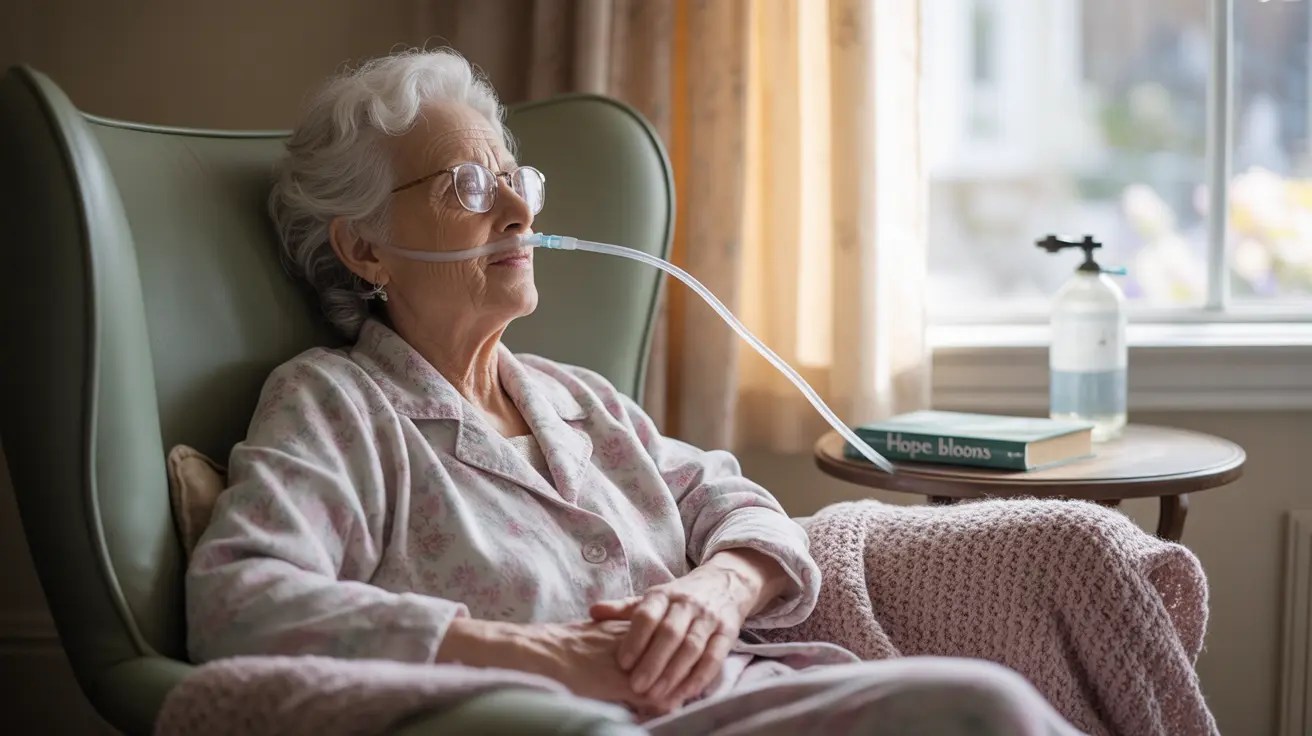
COPD is commonly discussed as a long term respiratory condition that influences breathing throughout daily life. While much attention is often given to breathing during physical activity, periods of rest and relaxation are also an important part of respiratory awareness. Breathing naturally changes when the body is at rest, and individuals with COPD may become more aware of airflow, rhythm, or comfort during quiet moments. Conversations around COPD and rest focus on understanding these experiences as part of overall breathing awareness rather than as indicators of medical concern.
Breathing Changes During Sleep and Relaxation
Breathing patterns typically slow and become more rhythmic during sleep as the body relaxes. For individuals living with COPD, these normal changes may feel more noticeable because airflow sensation can differ when lying down or resting. These observations are commonly shared in awareness based discussions, where the focus remains on how breathing feels rather than why it occurs. Nighttime breathing awareness is part of the broader conversation about understanding long term respiratory changes in everyday life.
Environmental Factors That Influence Rest
Rest quality can be shaped by a variety of environmental elements, including lighting, noise levels, room temperature, and sleeping posture. COPD related discussions often mention how these factors influence overall comfort during rest. These conversations remain observational, highlighting that rest environments play a role in how breathing is experienced without offering guidance or recommendations.
COPD and Nighttime Awareness Conversations
COPD is frequently included in conversations about sleep and nighttime comfort because breathing sensations may be more noticeable when external distractions are minimal. People often become more aware of their breathing while preparing for sleep or waking during the night. These discussions emphasize awareness and recognition rather than interpretation or evaluation.
Breathing Awareness While Lying Down
Posture and body position can influence how breathing feels during rest. Many individuals notice differences in airflow sensation depending on whether they are lying on their back or side. COPD awareness conversations include these observations as part of understanding how breathing experiences may vary in relaxed positions.
Lifestyle, Rest, and Daily Well Being
Rest plays an important role in daily energy levels, mood, and overall well being. COPD related awareness discussions often highlight how nighttime experiences may influence how individuals feel during the day. These conversations focus on balance, routine, and personal awareness rather than outcomes or actions.
Emotional Perspective on Rest and Breathing
Nighttime breathing awareness may also influence emotional well being. Some individuals describe feeling more aware of their breathing when resting quietly, which can shape how they think about sleep quality and relaxation. These reflections are shared in descriptive terms, focusing on personal experience rather than explanation.
Importance of Rest Awareness With COPD
Understanding how COPD may relate to rest and sleep helps create a more complete picture of long term respiratory awareness. Breathing during relaxation is part of everyday life, and noticing changes over time supports informed understanding. Educational conversations emphasize attentiveness and observation without instruction or guidance.
COPD and Long Term Wellness Awareness
For many individuals, awareness of COPD includes understanding both active and resting breathing experiences. Rest, sleep, and relaxation are closely connected to quality of life and daily comfort. COPD continues to be an important topic in respiratory education, with a focus on awareness, understanding, and long term perspective.
FAQ’s
- How is COPD usually explained in awareness focused content?
COPD is often explained as a long term condition that affects airflow in the lungs, leading to ongoing changes in breathing rather than short term discomfort.
- Why do people associate COPD with gradual change?
COPD is commonly linked with gradual breathing changes because airflow limitation tends to develop slowly over time instead of appearing suddenly.
- Can COPD influence how people describe their breathing?
Yes, people may describe breathing with COPD as heavier, less efficient, or more noticeable during everyday activities, especially movement.
- Is COPD discussed only in medical settings?
No, COPD is frequently discussed in public health education and general wellness conversations focused on long term breathing awareness.
- Does COPD relate to stamina and energy levels?
COPD is often associated with changes in stamina, which can affect how much energy people feel they have during daily routines.
- Why is long term awareness important when talking about COPD?
Long term awareness helps people understand how breathing patterns can change over years and how lung health connects to daily comfort and independence.
- Are breathing changes with COPD always the same?
Breathing changes linked to COPD can differ between individuals, depending on personal history, environment, and daily lifestyle.
- How does COPD fit into conversations about quality of life?
COPD is often mentioned when discussing how breathing comfort can influence daily activities, confidence, and overall life experience.
- Is COPD commonly connected to environmental discussions?
Yes, COPD is frequently mentioned alongside environmental factors because long term exposure to airborne irritants is part of general respiratory awareness.
- Where do people usually learn general information about COPD?
Many people learn about COPD through public awareness campaigns, educational articles, and general respiratory health resources.
 Personal Health care blog