
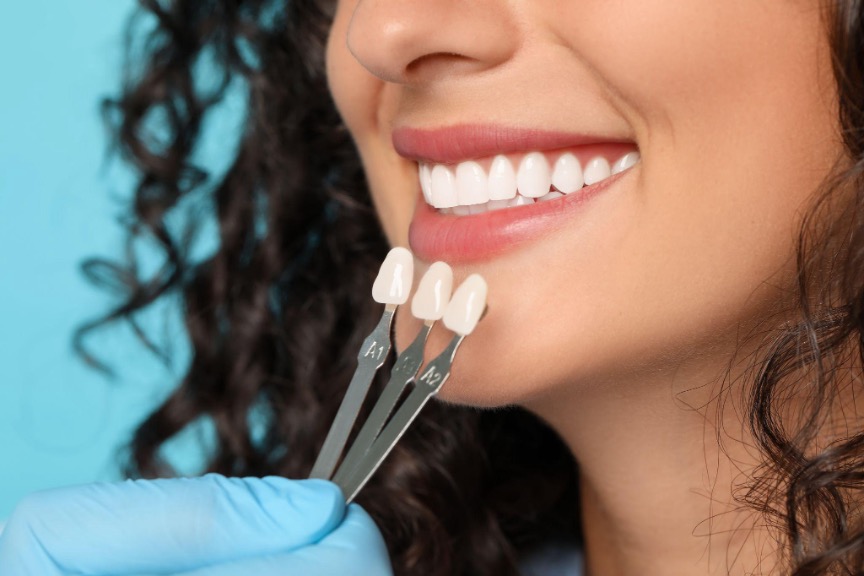
Observing how routines may affect smile brightness
Teeth whitening is often discussed alongside everyday habits because many people notice gradual changes in how their teeth look over time. Tooth appearance is shaped by a combination of natural traits and daily exposure to foods, beverages, and environmental factors. These influences may affect how light or dark teeth appear and how evenly color is perceived across the smile. Conversations about teeth whitening in this context tend to focus on visual awareness and personal observation rather than clinical explanations. The emphasis is on understanding how everyday routines may subtly influence tooth appearance as part of normal life.
Diet, Beverages, and Tooth Color Changes Over Time
Many people connect certain foods and drinks with changes in tooth shade because of their color intensity and frequent contact with teeth. Coffee, tea, red wine, sauces, and richly colored fruits are often mentioned when discussing everyday discoloration. These associations are typically described through personal experience rather than scientific detail, with individuals noticing darker tones or uneven color over time. Smoking and similar lifestyle habits are also commonly linked to changes in tooth appearance. Within teeth whitening conversations, these factors are viewed from an aesthetic standpoint, centered on visibility and overall smile impression.
Natural Changes in Enamel and Aging
As people age, natural changes may occur that influence how teeth look. Over time, enamel characteristics can shift, affecting how light reflects and how bright teeth appear. These changes are usually subtle and noticed gradually, often through comparison with earlier photos or memories. In general whitening discussions, aging is framed as a normal influence on appearance rather than a condition. This keeps the focus on visual perception and personal awareness rather than evaluation or intervention.
Teeth Whitening as a Cosmetic Interest
Teeth Whitening is widely viewed as a cosmetic interest tied to appearance and confidence. A brighter looking smile is often associated with self expression, social comfort, and positive presentation. Many people describe their interest in Teeth Whitening as part of an aesthetic journey rather than a medical objective. This perspective highlights how visual goals and personal image influence whitening interest, placing emphasis on how individuals feel about their smile in everyday interactions.
Whitening Toothpaste in Everyday Oral Care Awareness
Whitening toothpaste frequently appears in discussions about Teeth Whitening because it is commonly marketed toward maintaining or enhancing tooth brightness. These products are usually described in terms of surface appearance and polish rather than deeper change. Many individuals view whitening toothpaste as part of a routine focused on freshness and visual cleanliness. Conversations around these products remain descriptive and cosmetic in nature, centered on perception rather than instruction.
Zoom Whitening in Cosmetic Discussions
Zoom whitening is often referenced in broader cosmetic dentistry conversations due to its strong visibility and recognition. People may learn about it through advertising, social media, or personal stories. In these discussions, Zoom whitening is typically mentioned at a high level, focusing on its reputation and presence within cosmetic culture. The emphasis remains on awareness and perception rather than on technical or procedural details.
Advantages of the Zoom Approach in Public Perception
Public perception of the advantages of the Zoom approach often centers on the idea of a professional and structured whitening experience. People may describe the environment, focused setting, or aesthetic atmosphere as appealing. These impressions are subjective and tied to lifestyle values and personal expectations. Conversations highlight experience and presentation rather than outcomes or technical considerations.
Cavities, Sensitivity, and Whitening Awareness
Cavities and sensitivity are sometimes mentioned alongside Teeth Whitening as part of general oral awareness. Individuals may consider these topics when reflecting on comfort or expectations related to whitening. These mentions are typically observational and personal, acknowledging that cosmetic interests exist within a broader context of oral condition. The focus stays on awareness rather than evaluation or guidance.
Teeth Whitening and Long Term Lifestyle Outlook
For many people, Teeth Whitening represents a long term lifestyle interest connected to confidence and self identity. A brighter smile may feel like an extension of personality, professionalism, or personal pride. Over time, whitening becomes associated with motivation and attention to appearance rather than a single moment of change. Within cosmetic conversations, Teeth Whitening continues to stand out as a topic that blends lifestyle habits, visual awareness, and the personal meaning of a confident smile.
FAQ’s
- What is Teeth Whitening most often associated with in everyday conversations?
Teeth Whitening is most often associated with smile appearance, brightness, and overall visual impression rather than medical topics. - Why do people talk about Teeth Whitening in relation to lifestyle?
Lifestyle is frequently mentioned because daily routines, social habits, and visual preferences can influence how people perceive their tooth appearance. - How do people usually describe their interest in Teeth Whitening?
Interest in Teeth Whitening is commonly described in terms of confidence, self image, and personal presentation. - Is Teeth Whitening considered a cosmetic or health related topic by most people?
In general conversations, Teeth Whitening is typically viewed as a cosmetic topic focused on appearance rather than health. - Why is whitening toothpaste often included in Teeth Whitening discussions?
Whitening toothpaste is often mentioned because it is widely recognized and associated with maintaining a brighter looking smile. - How is Zoom whitening usually referenced by the public?
Zoom whitening is usually referenced as a well known professional whitening option recognized through advertising and social awareness. - What kinds of expectations do people have about Teeth Whitening?
Expectations often relate to visual change, smile brightness, and how teeth look in photos or social settings. - Why do topics like sensitivity appear in Teeth Whitening conversations?
Sensitivity appears because people often think about comfort and personal experience when discussing whitening at a general level. - Do Teeth Whitening discussions differ from person to person?
Yes, discussions differ because personal goals, lifestyle influences, and aesthetic preferences vary widely. - How does Teeth Whitening connect to self image?
Many people connect Teeth Whitening to self image because smile appearance can influence confidence and how they feel about themselves.
 Personal Health care blog